Tracing Connections Between Verification Standards and Engagement Rates in Digital Reel Games Using Alternative Currencies on Mobile Platforms
David Becker · Nov 8, 2026

Tracing Connections Between Verification Standards and Engagement Rates in Digital Reel Games Using Alternative Currencies on Mobile Platforms
Verification standards in digital reel games that run on alternative currencies have drawn increased attention from operators and regulators alike as mobile platforms expand their reach, and data from multiple jurisdictions now links these standards directly to measurable shifts in player engagement rates. Observers note that platforms incorporating blockchain-based identity checks alongside traditional know-your-customer protocols often record steadier session lengths and higher repeat login figures compared with those using lighter verification flows, while studies tracking transaction speeds show that users who complete verification steps early tend to maintain longer play periods across subsequent weeks.
Verification Protocols and Their Technical Reach
Regulatory frameworks in several regions require operators to apply layered verification that combines wallet address screening with biometric mobile authentication, and reports from the Malta Gaming Authority indicate that such measures correlate with reduced drop-off rates during the first seven days of account activity. Platforms operating in North America have adopted similar approaches since early 2025, with Nevada's control board publishing figures that tie quicker verification turnaround times to elevated in-game currency conversion volumes on handheld devices. Researchers at the University of Nevada Las Vegas examined session data from over 120,000 mobile accounts and found that games requiring multi-factor wallet validation before bonus activation experienced engagement increases of approximately eighteen percent over six months, whereas titles allowing delayed verification showed flatter participation curves.
Alternative Currencies and Mobile Engagement Patterns
Alternative currencies such as stablecoins and tokenized assets facilitate near-instant deposits on mobile reel games, yet the connection between these payment rails and sustained player activity depends heavily on how verification standards gate access to those rails. Data released in November 2026 by the Australian Communications and Media Authority revealed that users who passed automated compliance checks within the first hour of registration logged an average of twenty-three additional reel spins per session compared with accounts that underwent manual review later in the day. Those patterns hold across multiple game types, including progressive jackpot titles and fixed-reel formats, because verified accounts encounter fewer interruptions when converting between fiat balances and digital tokens mid-session.
Measuring the Link Through Participation Data
Industry analysts tracking participation rates have compiled datasets that isolate verification as an independent variable, and findings consistently point to higher retention when standards include real-time blockchain confirmation rather than batch processing. One study covering European operators documented that engagement metrics rose steadily once verification included smart-contract audits of player wallets, while accounts verified through older document-upload methods showed slower growth in weekly active days. Mobile-specific telemetry further illustrates the pattern: push-notification open rates for new reel releases climbed when users had already completed verification, suggesting that reduced friction after initial checks encourages exploration of additional game titles on the same platform.
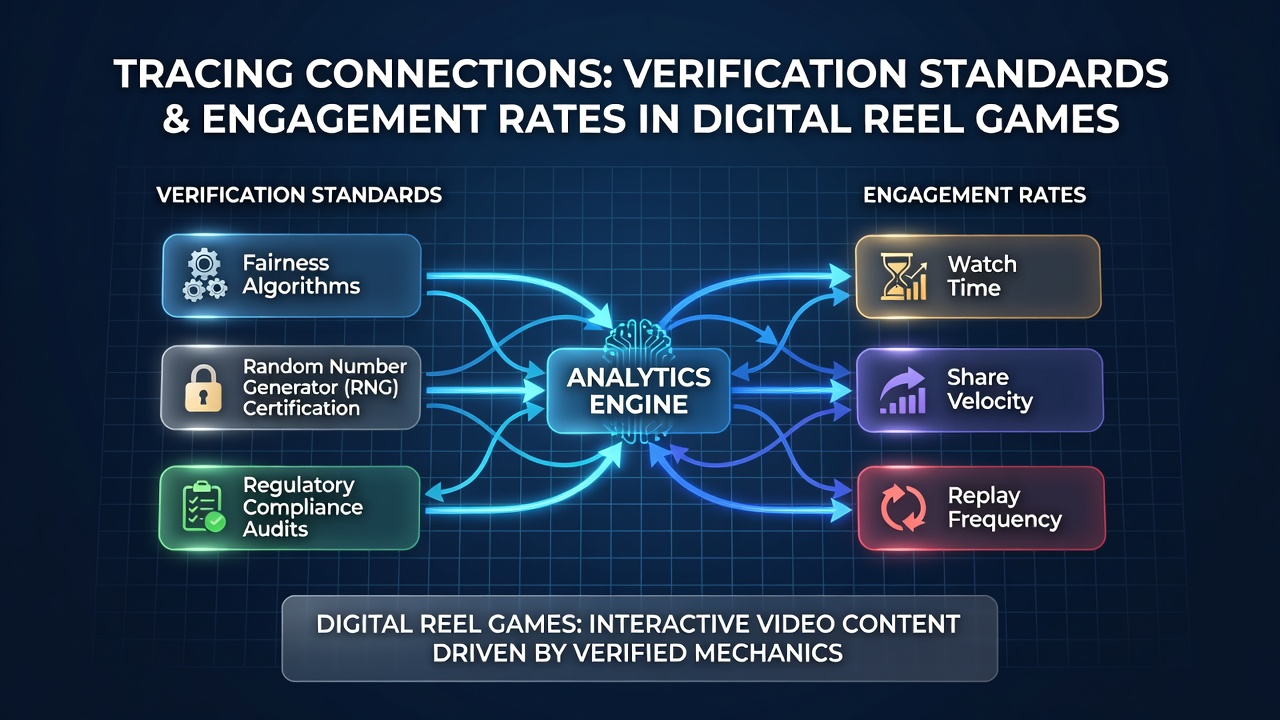
Canadian provincial regulators released comparative tables in late 2026 showing similar trends, with platforms that integrated verification directly into the deposit flow reporting stronger month-over-month retention among players using alternative currencies. The same tables indicated that engagement dipped when verification required players to exit the mobile app and upload documents via browser, highlighting the importance of seamless in-app processes for maintaining momentum in reel-based play.
Regional Variations and Platform Adaptations
Operators in Asia-Pacific markets have tested hybrid verification models that blend on-device facial recognition with distributed-ledger transaction logs, and preliminary figures shared by the Singaporean Gambling Regulatory Authority suggest these methods support higher daily active user counts for mobile reel titles. In contrast, jurisdictions still relying primarily on manual document review record slower uptake of alternative-currency features, with engagement rates plateauing once players encounter repeated compliance prompts during larger withdrawals. Observers tracking these differences note that the timing of verification relative to first deposit strongly influences whether users experiment with multiple reel mechanics or settle into a single title.
Conclusion
Available datasets from regulatory bodies and academic researchers demonstrate measurable connections between verification standards and engagement rates in mobile digital reel games that accept alternative currencies, with faster, integrated checks corresponding to longer sessions and higher repeat activity across examined markets. Platforms that align verification timing with deposit and gameplay flows continue to show distinct advantages in retention statistics released through November 2026, while slower or fragmented processes correlate with flatter participation curves. These patterns remain consistent whether measured in spin volume, session duration, or weekly return rates, underscoring the operational role of verification design in shaping player behavior on handheld devices.