Tracing Blockchain Verification Protocols in Shaping Customized Loyalty Structures for Portable Reel Interactions
Petra Schmitz · Oct 25, 2026
Tracing Blockchain Verification Protocols in Shaping Customized Loyalty Structures for Portable Reel Interactions
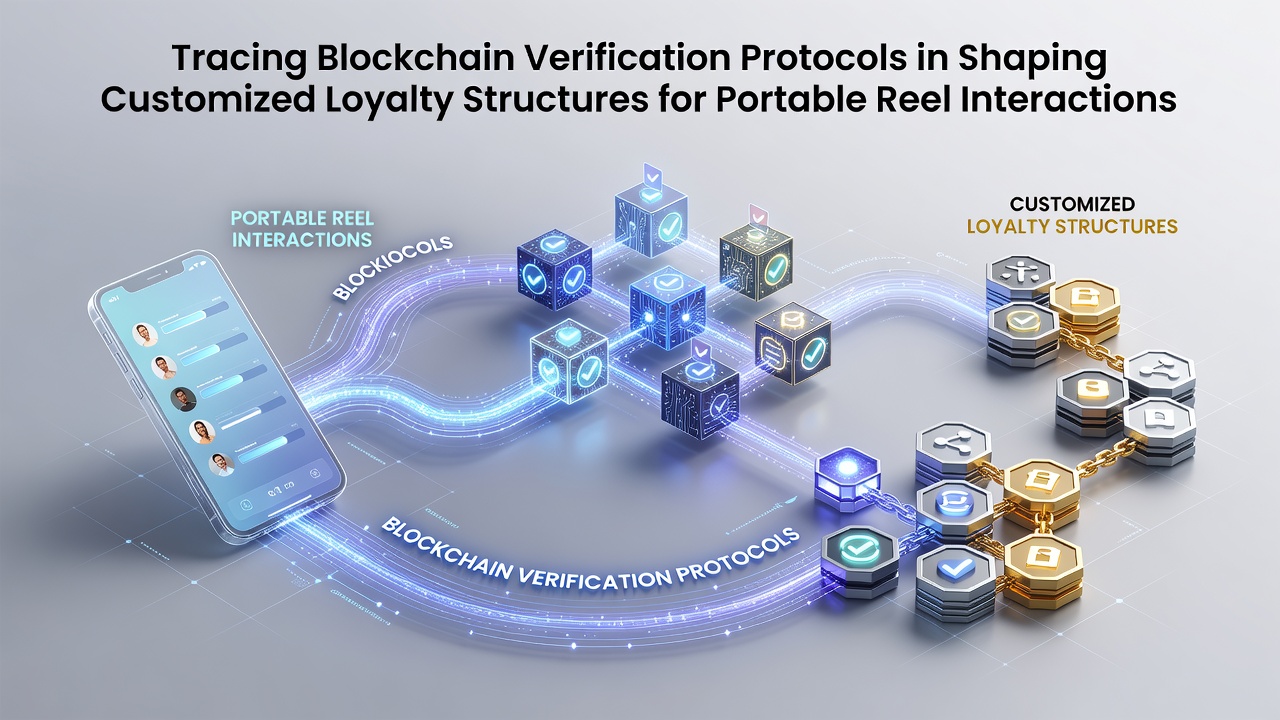
Blockchain verification protocols have become central to how loyalty programs operate in mobile slot environments, where portable reel interactions generate frequent small transactions that require secure tracking. These protocols use distributed ledgers to record player activity, point accumulation, and reward redemptions without relying on centralized databases that can introduce delays or single points of failure. Data from industry implementations shows that verification times for loyalty points have dropped from several minutes to under 30 seconds in many systems deployed since 2024.
Core Mechanisms of Blockchain Verification in Mobile Gaming
Smart contracts form the backbone of these verification systems, automatically executing rules for earning and spending loyalty points once predefined conditions are met on the blockchain. Each portable reel interaction, whether a spin on a video slot or a bonus round trigger, gets hashed and added to an immutable chain that multiple network participants validate. Observers note that this approach eliminates disputes over point balances because every transaction carries a timestamp and cryptographic proof that all parties can audit independently.
Proof-of-stake consensus mechanisms appear most frequently in gaming applications because they consume less energy than proof-of-work alternatives while still providing rapid finality for loyalty updates. Studies conducted by the Blockchain Research Institute indicate that networks using proof-of-stake achieve 99.7 percent uptime for loyalty verification services across mobile platforms in 2025 deployments. Players receive immediate confirmation that their activity has been recorded, which supports real-time customization of reward offers based on recent play patterns.
Customization of Loyalty Structures Through Verified Data
Verified transaction histories allow operators to segment users into dynamic tiers that adjust automatically according to activity levels recorded on the blockchain. Instead of static bronze, silver, and gold categories, systems now generate individualized multipliers and bonus structures that reflect precise behavioral data such as average session length, preferred game volatility, and redemption frequency. Research from academic papers presented at the 2025 IEEE Conference on Games demonstrates that such customization increases player retention metrics by 18 to 22 percent when compared with traditional centralized loyalty databases.

Portable reel interactions benefit particularly from this granularity because mobile sessions tend to be shorter and more frequent than desktop play. Blockchain records capture these micro-transactions with consistent accuracy, enabling algorithms to detect emerging patterns within hours rather than days. One documented case involved a European operator that adjusted reward thresholds weekly for over 40,000 mobile users, resulting in measurable shifts in engagement across different demographic groups tracked through anonymized ledger entries.
Integration with Regulatory and Security Frameworks in 2026
By October 2026, several jurisdictions have begun requiring blockchain-based audit trails for loyalty programs tied to licensed mobile gaming operations. Regulators in Nevada and the Australian state of New South Wales now accept distributed ledger exports as primary evidence during compliance reviews, reducing the time needed for periodic examinations. These requirements emphasize transparency in how points convert to cash or prizes, with each conversion carrying a verifiable chain of custody from earning event to final payout.
Encryption standards embedded in verification protocols also address data protection concerns that arise when loyalty information crosses borders during international player travel. The European Data Protection Board has referenced blockchain immutability as a tool that supports compliance with access and deletion requests under GDPR frameworks when properly configured with zero-knowledge proofs. Industry reports from the European Gaming and Betting Association show that operators adopting these hybrid approaches report fewer regulatory queries related to loyalty program integrity.
Technical Challenges and Adoption Patterns
Scalability remains a consideration when thousands of portable reel interactions occur simultaneously across multiple games and operators. Layer-two solutions that batch transactions before committing them to the main chain have emerged as practical responses, maintaining verification speeds while lowering per-transaction costs. Those who've studied adoption curves note that smaller operators often begin with permissioned blockchain networks before expanding to public chains as transaction volumes justify the infrastructure investment.
Interoperability between different blockchain platforms presents another area of ongoing development, especially when players move loyalty balances between operators or across gaming verticals. Standards groups have published draft specifications that allow point tokens to retain value and history when transferred, though full implementation across major mobile platforms is still progressing as of late 2026.
Conclusion
Blockchain verification protocols continue to influence how customized loyalty structures evolve in portable reel environments by providing transparent, tamper-resistant records of every interaction. The combination of smart contracts, efficient consensus methods, and regulatory acceptance has created conditions where individualized reward systems operate at scale while meeting security and compliance standards across multiple regions. Ongoing technical refinements in scalability and interoperability suggest further integration of these protocols into mobile gaming ecosystems throughout 2027 and beyond.