How Accessibility Standards Reshape Interface Designs in Blockchain-Supported Table Game Apps Across Licensed Markets
Noah Butler · Nov 22, 2026
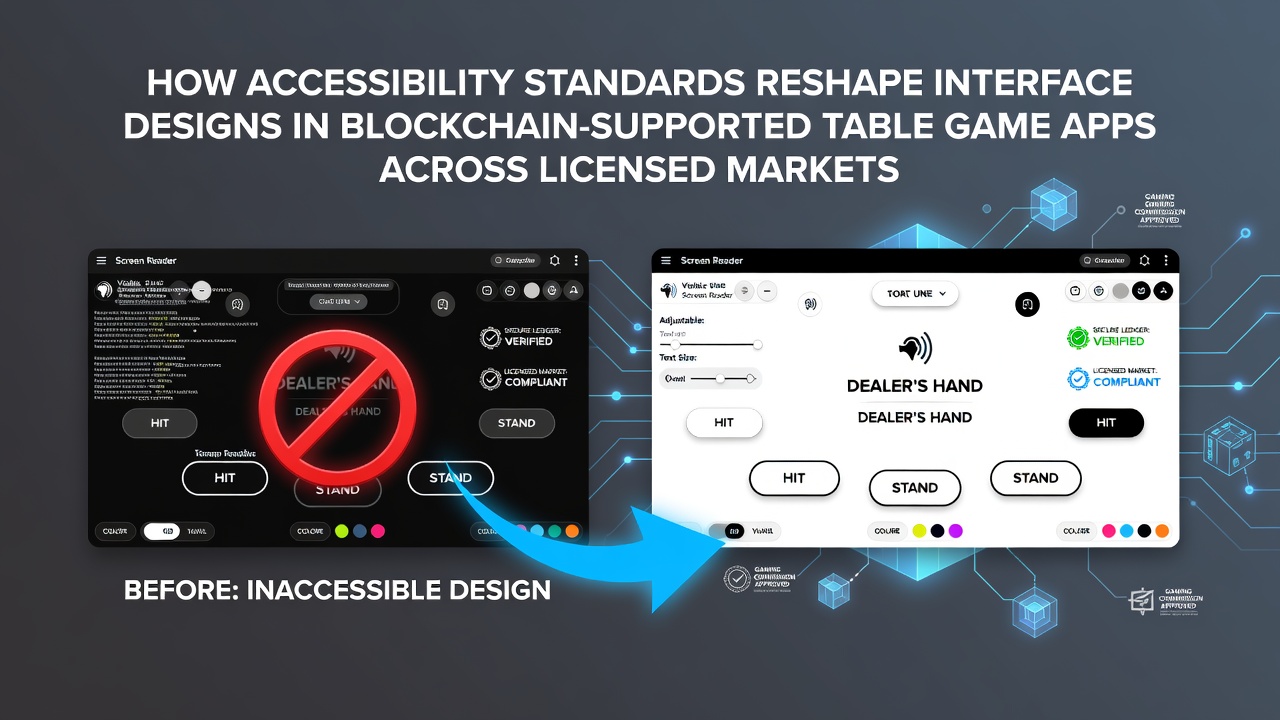
How Accessibility Standards Reshape Interface Designs in Blockchain-Supported Table Game Apps Across Licensed Markets
Accessibility standards continue to influence how developers build interfaces for blockchain-supported table game apps in licensed markets, and data from regulatory filings shows measurable shifts in design priorities across multiple jurisdictions. These standards require clear navigation for users relying on screen readers, sufficient color contrast for card displays, and keyboard controls that function alongside crypto wallet connections. In practice, teams adjust layouts so that real-time blockchain verifications appear without disrupting flow for players who use assistive technologies.
Core Standards Driving Change
WCAG 2.2 guidelines and regional accessibility acts set specific thresholds that licensed operators must meet when deploying table game applications, and compliance reports from Ontario and several US states document how these rules translate into technical requirements for mobile interfaces. Operators integrate features like resizable text and alternative text for game elements while maintaining the cryptographic integrity of transactions on the blockchain layer. European Accessibility Act provisions, referenced through official EU documentation, further specify that digital services including gaming platforms must support voice navigation, and this has prompted updates in app architectures that handle both fiat and crypto payments.
Table game interfaces present unique hurdles because they combine dynamic card animations with immutable ledger updates, yet developers have adapted by separating visual layers from data layers so screen readers can announce outcomes without exposing private keys. Studies from industry research groups indicate that apps incorporating these separations see higher retention among users with disabilities in regulated environments.
Blockchain Integration Meets Accessibility Needs
Blockchain elements such as transaction confirmations and smart contract triggers must remain accessible when players join live dealer sessions or virtual poker tables, and developers achieve this through structured markup that labels each step of the process. For instance, a player using a screen reader receives sequential descriptions of bet placement followed by blockchain hash verification, all while the visual display stays uncluttered. Data collected in licensed markets shows that apps with these layered designs reduce error rates during crypto deposits and withdrawals.
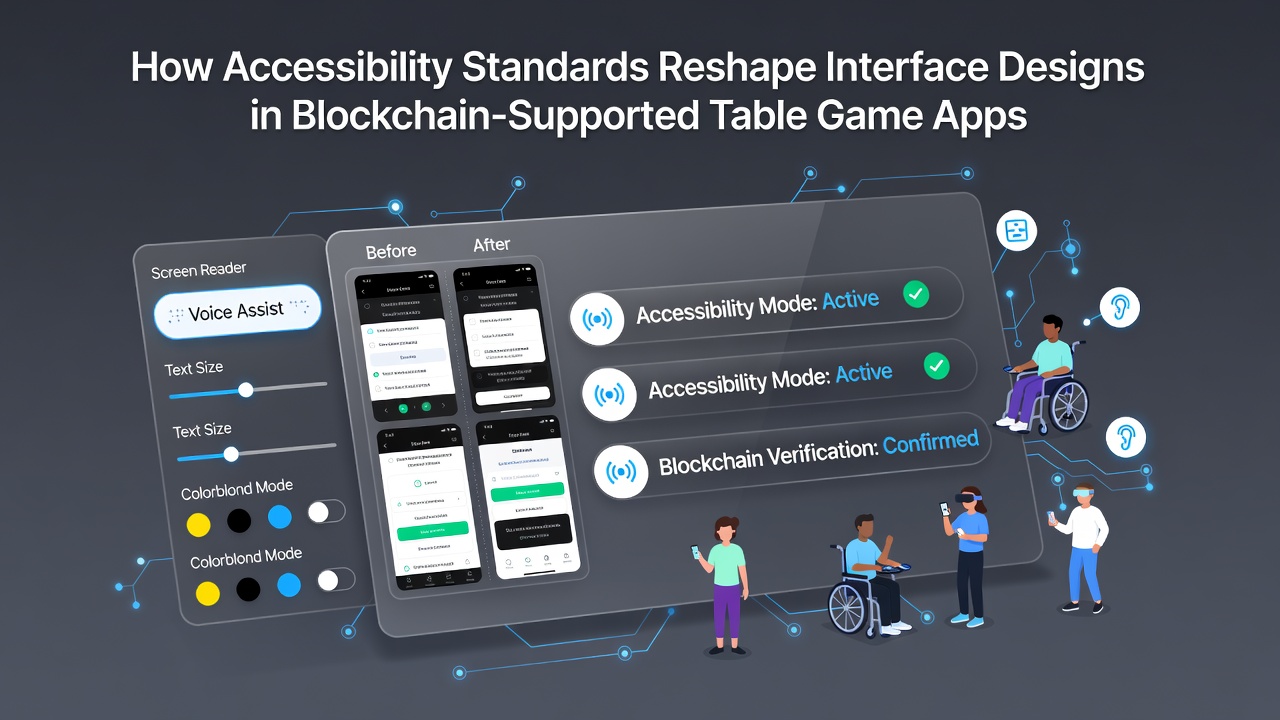
Designers also address timing issues that arise when blockchain networks experience latency, and they do so by providing clear status indicators that comply with accessibility timing guidelines. Those who have examined app analytics note that such indicators help users with cognitive disabilities maintain context during longer confirmation periods common in certain licensed jurisdictions.
Market-Specific Adaptations Observed by November 2026
By November 2026 several licensed markets had implemented updated reporting requirements that tie accessibility audits directly to blockchain app approvals, and figures from Canadian provincial regulators alongside Australian digital service standards reveal consistent patterns in interface modifications. Apps in these regions now default to high-contrast themes for table layouts, and they support switch control navigation that lets users manage bets without touching teh screen. Observers tracking these changes point out that the same apps often include optional simplified views for users who prefer fewer animations during live table sessions.
US state gaming commissions have documented how operators revised their mobile table game suites to align with updated ADA digital guidance, resulting in clearer labeling of blockchain transaction fees and game rules. This approach connects directly to broader efforts that ensure users can review payout structures through both visual and audio channels without leaving the app interface.
Practical Design Adjustments Across Regions
Teams working on these applications frequently apply semantic HTML and ARIA attributes to poker and blackjack interfaces so that dynamic elements like community cards update accessibly when new blocks confirm on the chain. Research indicates that such adjustments improve usability scores in markets where operators must submit accessibility compliance documentation alongside licensing renewals. Color contrast ratios for suit symbols and chip values meet minimum thresholds while preserving the aesthetic cues that help experienced players read game states quickly.
Wallet integration flows receive particular attention because they involve multiple confirmation steps, and accessible design patterns allow users to review transaction details through text-to-speech before signing. Licensed operators in different regions have adopted similar patterns even though their underlying blockchain networks vary, which demonstrates how accessibility standards create common interface solutions despite technical differences.
Conclusion
Accessibility standards continue to guide interface refinements in blockchain-supported table game apps operating within licensed markets, and ongoing compliance data confirms that these changes affect everything from visual contrast to transaction narration. Developers balance cryptographic security with inclusive navigation tools, and the resulting applications serve broader user groups while meeting regulatory expectations across jurisdictions. As markets evolve, these design practices remain central to how table game experiences are delivered on mobile devices.